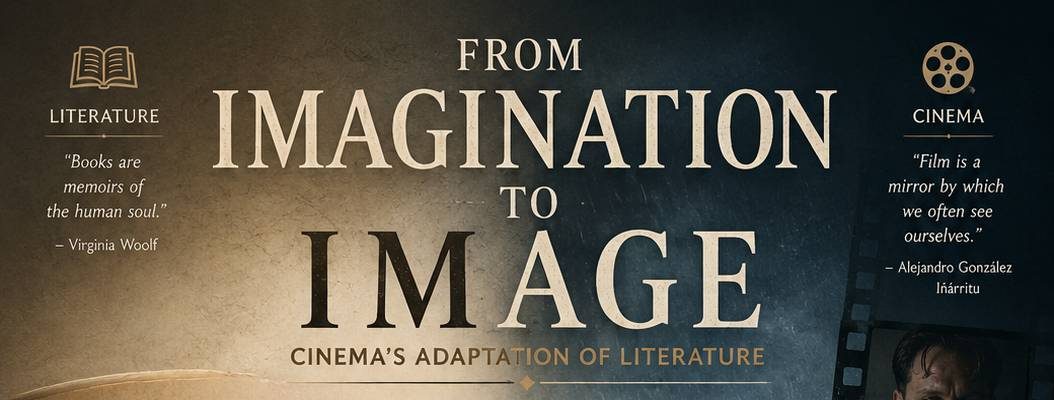
از تصور به تصویر (بررسی فیلم رستگاری در شاوشنک) پایاننامه کارشناسی من در رشته کارگردانی سینما با موضوع اقتباس از ادبیات بوده است. این کتاب، به بررسی یکی از درخشانترین نمونههای اقتباس سینمایی در تاریخ میپردازد: فیلم رستگاری در شاوشنک (The Shawshank Redemption) ساخته فرانک دارابونت، بر اساس داستان کوتاهی از استیون کینگ.
در این پژوهش سعی کردم، قدم به قدم نشان دهم که چگونه یک داستان کوتاه «ریتا هی ورث و رستگاری شاوشنک» با حفظ روح اصلی، اما با تغییرات هوشمندانه در ساختار روایت، شخصیتپردازی، زمان و مکان، به فیلمنامهای تبدیل شده که خود به اثری کلاسیک بدل گشته است. از حذف راوی اول شخص و تبدیل او به شخصیتی فرعی، تا افزودن لایههای عاطفی و نمادین مانند شخصیت بروکس و پرندهاش.
این کتاب با تکیه بر نظریههای اقتباس با زبانی روان اما تخصصی، نشان میدهد که اقتباس موفق نه «کپیبرداری» که «تولید مجدد» خلاقانه است. «از تصور به تصویر» علاوه بر ارزش پژوهشی، راهنمایی عملی برای فیلمسازان، دانشجویان سینما و هر کسی است که میخواهد بداند چگونه یک ایده ادبی میتواند در قابی سینمایی جان تازهای بگیرد.

From Imagination to Image (Analysis of The Shawshank Redemption)” was my undergraduate thesis in Cinema Directing, focusing on the subject of adaptation from literature. This book examines one of the finest examples of cinematic adaptation in history: Frank Darabont’s The Shawshank Redemption, based on a short story by Stephen King.
In this research, I have tried to show step by step how a short story – “Rita Hayworth and Shawshank Redemption” – while preserving its original spirit, underwent intelligent changes in narrative structure, characterization, time, and place to become a screenplay that itself has become a classic. From the elimination of the first-person narrator and his transformation into a secondary character, to the addition of emotional and symbolic layers such as Brooks and his bird.
Drawing on adaptation theories and written in an accessible yet expert tone, this book demonstrates that successful adaptation is not “copying” but creative “reproduction”. From Imagination to Image, beyond its scholarly value, is a practical guide for filmmakers, cinema students, and anyone who wants to learn how a literary idea can find new life within a cinematic frame.
No responses yet